Ash Fox's Book vs. Film Portrayal Differences Explored: Decoding a Quirky Character
Fantastic Mr. Fox, Wes Anderson's stop-motion marvel from 2009, captivated audiences with its unique aesthetic and star-studded voice cast. But beneath the whimsical surface lies a deeper narrative, one that often sparks discussion about its social commentary and character portrayals. Among its most distinctive characters is Ash Fox, Mr. Fox's somewhat sullen, undeniably individualistic son. While the film is a loving adaptation of Roald Dahl's 1970 children's book, it takes liberties that significantly shape characters like Ash, creating subtle yet profound Ash Fox: Book vs. Film Portrayal Differences.
These aren't just aesthetic tweaks; they’re reflections of a cinematic interpretation grappling with 1970s social outlooks on gender, sexuality, and identity—issues that were often either understated or entirely absent from children's literature of the era. The film, released decades later, interprets these elements through a lens that simultaneously pays homage to the source material's period and subtly highlights its limitations, particularly in how it presents "difference."
At a Glance: Ash Fox’s Cinematic Character
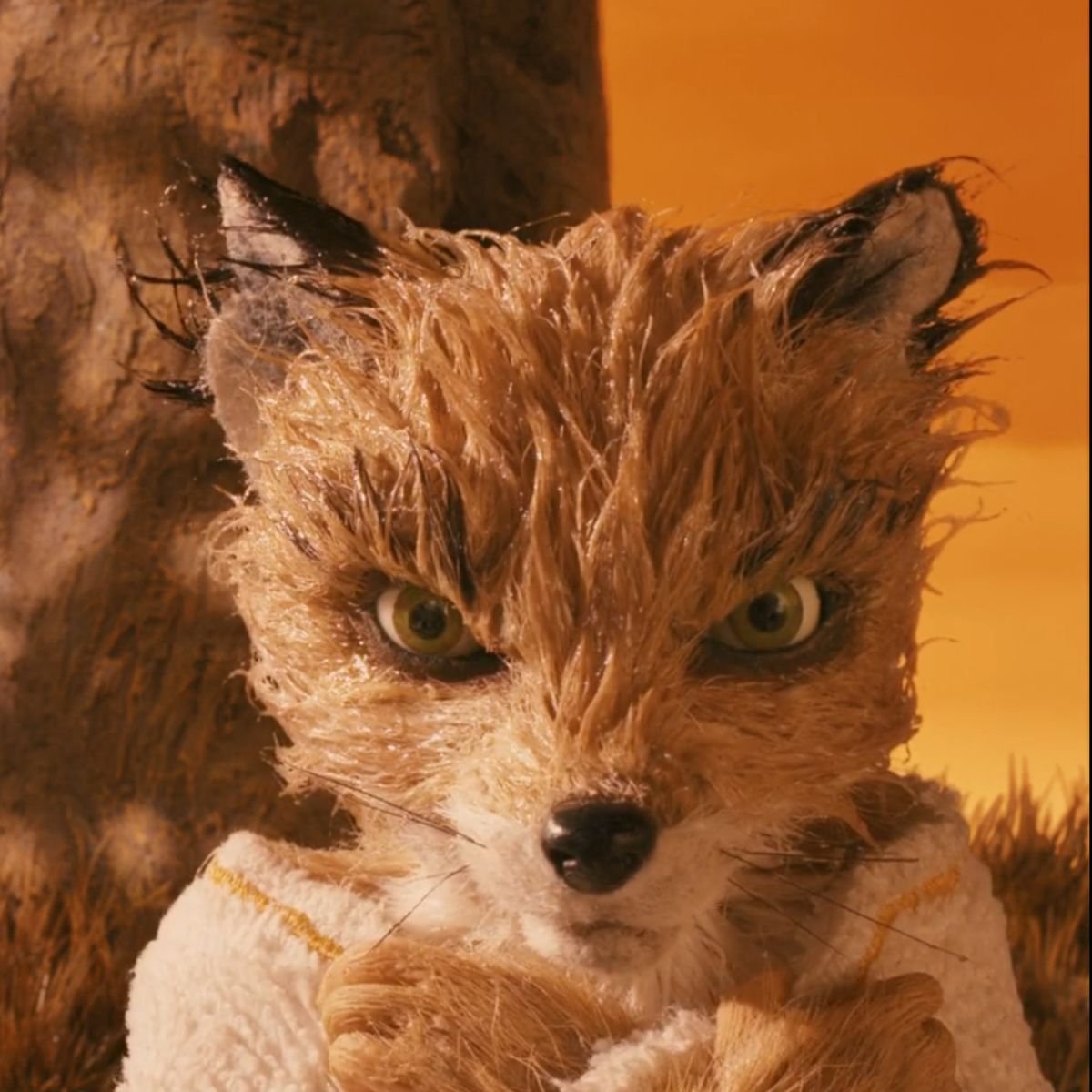
- Distinct Visuals: In the film, Ash sports "eyeliner-like markings" and even "grape juice 'lipstick'," along with a distinctive fashion sense.
- "Ambiguously Gay" Nuance: The film depicts Ash with traits that align with a subtly implied non-heterosexuality, a concept rarely openly discussed in 1970s American media.
- A "Fussy" Disposition: Ash is characterized as particular and somewhat aloof, often feeling overshadowed by his cousin, Kristofferson.
- 1970s Social Mirror: His portrayal indirectly comments on the limited understanding and representation of diverse gender and sexual identities during the era the film portrays.
- Departure from the Book: While the book features Ash, these specific visual and behavioral cues are largely cinematic additions, serving to amplify themes present in Anderson's adaptation.
The Foundation: Dahl's Original Versus Anderson's Adaptation
Roald Dahl's 1970 Fantastic Mr. Fox is a classic tale of a clever fox outwitting three mean farmers. It’s a straightforward adventure, focusing on themes of cunning, family, and survival. While Dahl's characters are memorable, their psychological depth and social intricacies are typically kept simple, befitting a children's book. The film, however, isn't merely a direct translation; it's a reinterpretation that layers in more complex social issues, reflecting a 1970s "old-fashioned" outlook on topics like gender and body image, even as it was made in 2009.
This distinction is crucial when examining Ash. Anderson's film embraces the opportunity to inject nuance and subtext that might have been less explicit or entirely absent in the original text, effectively shaping a new dimension for Fantastic Mr. Fox Ash.
Ash Fox in the Book: A Simpler Sketch
In Roald Dahl's book, Ash Fox is indeed Mr. Fox's son, and he's part of the family's adventure to outsmart Boggis, Bunce, and Beans. However, the book largely focuses on his role within the narrative—a member of the fox family, contributing to the group dynamic. There's no detailed textual evidence suggesting the kind of specific visual or behavioral markers that define his film counterpart's unique identity. Dahl's Ash, like many of his child characters, is a participant in the plot, but not necessarily a vehicle for social commentary on gender or sexuality.
The book, a product of its time, likely did not delve into the subtleties of self-expression or ambiguous sexuality for a child character. Such discussions were far from mainstream in 1970s children's literature. Therefore, the "differences" in Ash's portrayal largely stem from the film adding layers of interpretation that weren't explicitly described or emphasized in Dahl's original narrative.
Wes Anderson’s Ash: A Masterclass in Visual Subtext
The film's portrayal of Ash is where the significant divergence begins. Anderson, known for his meticulous visual storytelling, uses every detail to construct character. For Ash, this means a distinct visual language:
- The "Look": Ash's "eyeliner-like markings" and "grape juice 'lipstick'" are striking visual choices. These aren't just cute quirks; they're deliberate signals, especially within the context of a 1970s setting. Such choices visually set him apart, hinting at a non-conformist identity that challenges traditional masculine presentation.
- Fashion Sense: He "dresses like a girl" is a description directly from the ground truth. While what exactly constitutes "dressing like a girl" for an anthropomorphic fox isn't specified, it points to sartorial choices that diverge from typical masculine attire within the film's world. This further solidifies his unique self-expression.
- "Fussy" Demeanor: Ash's fussiness and slightly effeminate mannerisms, combined with his visual presentation, contribute to a character who is "different" from the more traditionally masculine figures like his father or even his athletic cousin, Kristofferson.
These cinematic additions serve to make Ash a standout character, not just in terms of his personality but also as a subtle commentary on individual expression and societal norms.
Decoding "Ambiguously Gay": A 1970s Lens on Sexuality
Perhaps the most potent difference in Ash's film portrayal lies in his depiction as "ambiguously gay." The ground truth states that topics of non-heterosexuality were rarely openly discussed in America until much later, specifically with the legalization of gay marriage in 2015. So, for a film reflecting a 1970s sensibility, direct portrayal would have been highly improbable. Instead, Anderson employs visual cues and subtle interactions to imply Ash's difference.
Consider the context:
- The "Finger-Wiggling" Gesture: The film explicitly mentions characters using a "finger-wiggling hand motion when pointing out someone 'different'." This gesture, often used in a slightly mocking or 'othering' way, highlights a societal discomfort with non-conformity. Ash, being "different," likely draws this reaction.
- The Realtor's Portrayal: The weasel realtor, described as walking "effeminately" and wearing a "pink polo shirt," also subtly implies a non-heterosexual identity. This parallel portrayal suggests a recurring theme of veiled sexuality within the film's world, reinforcing how 1970s films reflected societal views.
- Lack of Open Discussion: The ambiguity is key. The film doesn't state Ash's sexual orientation; it implies it through visual and behavioral cues that were historically coded ways of representing non-heterosexuality in media before open representation was possible. This method reflects the societal reticence of the 1970s era the film depicts.
This nuanced approach to sexuality is a significant layer that the film adds, making Ash's character far more complex than a straightforward adaptation might have allowed. It’s an artistic choice that prompts viewers to consider the historical context of representation.
Beyond Appearance: Ash's Role in the Family Dynamic and Masculinity
Ash's distinct portrayal isn't just about his individual identity; it also plays into the film's broader themes of masculinity and pride, especially within the framework of 1970s ideals. Mr. Fox, driven by a feeling of not having accomplished enough as a man despite his wife's contentment, embodies the pressure to be a "strong, capable breadwinner." This arc addresses changing depictions of masculinity in film.
Ash, with his non-conformist attire and disposition, subtly challenges these prevailing masculine ideals. He isn't the stereotypical "tough" son; he’s fussy, artistic, and often overshadowed by his more traditionally athletic and universally liked cousin, Kristofferson. This dynamic allows the film to explore:
- Acceptance and Belonging: Ash's struggle for his father's approval and recognition, often feeling second-best to Kristofferson, can be seen as a metaphor for the broader struggle of individuals who don't fit conventional molds.
- Redefining Masculinity: While Mr. Fox’s pride leads to his downfall, Ash’s character, by simply being different, poses an unspoken question about the breadth of what "being a man" could mean, even within a restrictive 1970s context. His quiet resilience and eventual contributions to the family's survival highlight that strength comes in many forms, challenging the singular ideal of the macho breadwinner.
The Wider Canvas: DPD Issues and Fantastic Mr. Fox's Commentary
Ash's character isn't an isolated instance of social commentary. The film, in its entirety, is steeped in a reflection of 1970s sociocultural and Difference, Power, and Discrimination (DPD) issues. Understanding this broader context helps illuminate the significance of Ash's portrayal.
- Gender Stereotypes: Women in the film, particularly Ms. Fox and Beans' wife, adhere to 1970s stereotypes: housewives focused on children, cooking, and supporting their husbands. At a celebratory feast, women prepare food in the kitchen while men socialize, reinforcing "proper woman" stereotypes. Ash's portrayal, by contrast, challenges normative gender presentation, even if implicitly. The film also showcases gender representation in *Fantastic Mr. Fox* through these various characters.
- Race and Class through Animals: The film uses animal social hierarchies and stereotypes to represent race and class. Predators like the badger and beaver are successful businessmen, while the possum is a "squalid" handyman. All human characters are white, reflecting a potential 1970s suburban setting but contrasting with modern American films.
- White Patriarchal Capitalism: The wealthy, white, American farmers (Boggis, Bunce, Beans) represent the top of the socioeconomic hierarchy, embodying the dominance of white patriarchal capitalism. Mr. Fox’s ambition to steal from them, rather than accept his "poor but happy" life, is a direct challenge to this established order, though driven by his own masculine pride.
Within this framework, Ash’s character becomes a quiet symbol of difference, pushing against the rigid social structures and expectations of the era the film is depicting. His portrayal underscores the film's overall commentary on discrimination and lack of representation compared to modern American standards, subtly advocating for greater understanding, even in a children's story.
The Power of Adaptation: What the Film Adds (or Reflects)
Wes Anderson's Fantastic Mr. Fox demonstrates that a film adaptation is rarely a verbatim recreation. Instead, it's an opportunity for a director to interpret, expand, and comment on the source material through their own artistic lens. In Ash's case, Anderson takes a character who might have been more of a background figure in the book and imbues him with a visual and behavioral identity that resonates deeply with themes of difference and identity.
This approach is characteristic of Wes Anderson's unique approach to film adaptations. He often finds the melancholic, the quirky, and the socially awkward in his characters, giving them depth that allows for a richer exploration of the human (or in this case, anthropomorphic) condition. By emphasizing Ash's "ambiguously gay" characteristics and unique self-expression, the film chooses to reflect—and subtly critique—the societal norms of the 1970s.
Reflecting an Era: 1970s Sensibilities vs. Modern Interpretation
The most significant takeaway from the Ash Fox: Book vs. Film Portrayal Differences is how the film uses Ash to reflect the societal limitations of the 1970s while being viewed through a modern lens. The film's 2009 release date allowed for these subtle implications to be understood by an audience more attuned to discussions around identity and representation, even if the film itself is set in an earlier time.
In a 1970s children's book, an overtly "ambiguously gay" character would likely have been unthinkable. The film, by presenting Ash with these traits, acknowledges the historical context of understated or coded representations while simultaneously making a statement about the presence of such individuals, even when society was not ready to openly acknowledge them. It’s a delicate balance of paying homage to the source's era and offering a contemporary critique through character design. This nuanced portrayal contributes to the ongoing conversation about evolving LGBTQ+ themes in children's media.
Key Takeaways for Viewers and Storytellers
- Adaptation is Interpretation: Understand that film adaptations aren't just copies; they're often deliberate commentaries on the original work or the era they depict.
- Visuals Speak Volumes: Ash's character illustrates how visual cues (clothing, mannerisms, subtle makeup) can convey profound meaning about identity, especially when direct dialogue is absent.
- Historical Context is Key: The subtle implications of Ash's portrayal make sense when viewed through the lens of 1970s societal attitudes towards gender and sexuality.
- The Power of Subtlety: You don't always need overt statements to make a point about diversity and inclusion. Implied narratives can be incredibly powerful.
A Final Thought on Evolving Portrayals
The journey from Roald Dahl’s original book to Wes Anderson's film adaptation of Fantastic Mr. Fox highlights the dynamic nature of storytelling and its capacity to evolve with societal understanding. Ash Fox, with his subtly implied differences in the film, serves as a poignant reminder that while stories might be set in the past, their characters can continue to spark important conversations about identity, acceptance, and the ongoing need for diverse and thoughtful representation in media. It’s a testament to how art can both reflect and subtly push the boundaries of what is considered "normal."