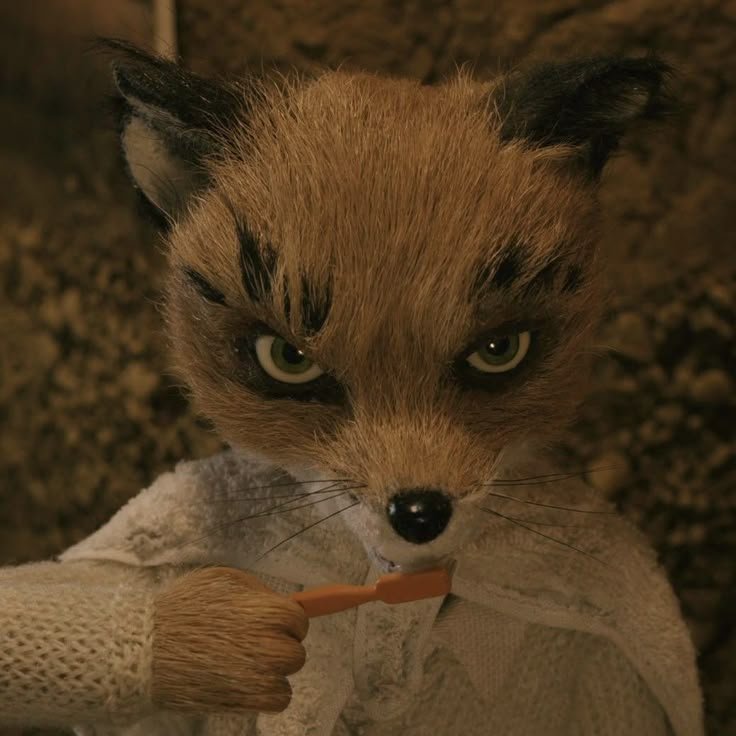
Ash Fox Fan Theories and Interpretations Unpack Anime's Enduring Mysteries
Few animated characters capture our imagination quite like Ash Fox. With his distinctive cape, perpetually furrowed brow, and an undeniable aura of prickly adolescent angst, the junior fox from Wes Anderson's Fantastic Mr. Fox has sparked countless discussions. Beyond his immediate role in the film's narrative, Ash Fox fan theories and interpretations delve into deeper questions about identity, family dynamics, and what it truly means to be "fantastic." He's a character that resonates, prompting us to peer beyond the surface of a beautifully crafted stop-motion world and into the complex emotional landscape of a young fox trying to find his footing.
Before we dive into the fascinating rabbit hole of Ash Fox theories, here's a quick look at what we'll cover:
At a Glance: Unpacking Ash Fox's World
- Ash's Core Conflict: He grapples with feeling overshadowed by his adventurous father, Mr. Fox, and his effortlessly talented cousin, Kristofferson.
- The Cape's Significance: Often interpreted as a symbol of aspiration, defiance, and a desperate bid for individuality.
- His Hero's Journey: Ash undergoes a subtle but profound transformation from an insecure, sometimes resentful kid to a confident, respected member of the family.
- Symbolic Rivalry: His dynamic with Kristofferson isn't just sibling squabbling; it's a mirror reflecting Ash's own insecurities and potential.
- The Wolf Encounter: A pivotal, enigmatic moment that invites deep interpretation about Ash's wild nature and acceptance.
- Wes Anderson's Touch: Ash embodies many signature Wes Anderson themes: the outsider, the search for belonging, and the complexities of family.
Who is Ash Fox, Really? Beyond the Cape and Grump
When we talk about "Ash," it's easy for minds to wander to the iconic Pokémon trainer, Ash Ketchum. However, in the realm of Fantastic Mr. Fox, Ash is an entirely different creature: a young, skinny, often-grumpy fox with a penchant for capes and a desperate need for recognition. He's the son of Mr. Fox and Mrs. Fox, and a central figure in the film's exploration of family, self-worth, and coming-of-age. While the provided research referenced discussions around Ash Ketchum's coma, our focus here is squarely on the beautifully rendered, emotionally complex Ash Fox, whose journey in his stop-motion world offers a rich tapestry for interpretation.
Ash's character design alone speaks volumes. He's scrawny, often wears a makeshift bandit mask, and sports a signature cape (which he claims is for "professional reasons"). From the outset, he's presented as an outsider within his own family—not as charismatic as his father, not as Zen or talented as his cousin Kristofferson. This immediate visual and narrative framing lays the groundwork for a character whose internal struggles are ripe for exploration. His story resonates because it taps into universal experiences of feeling different, of striving for acceptance, and of finding your own unique path in the shadow of others.
The Prickly Prince: Ash's Deep-Seated Insecurities
At the heart of many Ash Fox fan theories lies his profound insecurity. He adores his father but feels perpetually overshadowed by Mr. Fox's daring, charismatic persona. This isn't just childish jealousy; it's a deep-seated struggle for validation. Mr. Fox, for all his love, often unintentionally dismisses Ash's interests or talents, frequently praising Kristofferson's natural abilities instead.
Think about the film's opening scenes: Ash tries to participate in his father's schemes, but he's often relegated to the background or gently pushed aside. When Kristofferson arrives, a paragon of physical prowess and inner calm, Ash's insecurities are magnified tenfold. Kristofferson excels at everything Ash struggles with—sports, meditation, even basic social graces with the opposite sex. This dynamic isn't just a plot device; it's a psychological blueprint for Ash's character. He's a young individual desperate to prove his worth, not just to his father, but to himself. Many viewers see Ash's initial resentment of Kristofferson as a projection of his own self-doubt, a common human experience when faced with someone who effortlessly embodies what we perceive ourselves to lack. It’s a classic example of how deep dives into iconic fox characters can reveal universal truths about the human (or in this case, vulpine) condition.
The Symbolism of the Cape (and Other Quirks)
Perhaps the most iconic element of Ash's character is his ever-present cape. Is it merely a fashion choice? Fan theories suggest it's far more profound.
- Aspiration: The cape is a direct link to his father, Mr. Fox, who wears a similar garment. For Ash, it might symbolize his desire to be as "fantastic" and adventurous as his dad, even if he feels he lacks the inherent qualities. It's a costume he dons to project an image of strength and capability.
- Defiance and Individuality: In a world where everyone seems to fit a mold, Ash’s cape, along with his bandit mask, sets him apart. It’s his declaration of being different, a way to stand out when he feels overlooked. He’s deliberately quirky, carving out a unique identity through his sartorial choices.
- A "Security Blanket": For some, the cape represents a literal and figurative shield. It's something he hides behind, a comfort object that allows him to navigate a world where he feels out of place. It's a physical manifestation of his internal struggle to find confidence.
His other quirks, like his impressive pine cone throwing skills (which prove surprisingly useful) or his insistence on wearing a "professional" bandit mask, further illustrate his struggle for identity. These aren't just funny details; they're parts of Ash meticulously crafting who he is, or at least who he wants to be. This level of detail in character design is a hallmark of Wes Anderson's unique approach to animal characters, where every element serves to deepen our understanding.
Ash's Hero's Journey: From Underdog to Unsung Hero
Ash's narrative arc is, in many ways, the true "hero's journey" of Fantastic Mr. Fox. While Mr. Fox is the titular character, Ash undergoes the most significant personal transformation. His journey begins with a desperate need for external approval and culminates in a quiet, internal acceptance of his own worth.
Initially, Ash's actions are driven by a desire to impress his father. He tries to emulate Mr. Fox, even if clumsily, and his frustration mounts when he feels he continuously fails. The pivotal turning point comes during the rescue mission to retrieve Kristofferson from the farmers. This is where Ash truly shines. He doesn't rely on bravado or his father's plans; instead, he leverages his unique skills and quick thinking (like using a wolf as a distraction and strategically deploying pine cones) to save the day.
This moment isn't just about performing a heroic act; it's about his father seeing and acknowledging him. Mr. Fox's simple, genuine affirmation—"You're a good kid, Ash"—is the reward Ash has yearned for all along. It marks a crucial shift in their relationship and in Ash's self-perception. His growth is a testament to exploring the art of character arcs that prioritize internal change over external accolades. He learns that being "fantastic" isn't about being his father, or even being like Kristofferson; it's about embracing his own strengths and finding his place.
Rivalry and Resonance: Ash, Kristofferson, and the Family Dynamic
The dynamic between Ash and Kristofferson is a cornerstone of Ash's development and a rich source of fan interpretation. Kristofferson isn't a villain; he's a remarkably kind, talented, and calm fox. This makes him the perfect foil for Ash's anxious, insecure energy.
- The Unintentional Rival: Kristofferson doesn't try to outshine Ash, but his effortless competence (from yoga to whisk-playing) naturally highlights Ash's perceived shortcomings. This isn't Kristofferson's fault, but it fuels Ash's jealousy.
- A Catalyst for Growth: The rivalry, though painful for Ash, ultimately forces him to confront his insecurities. It pushes him to define himself not in comparison to Kristofferson, but on his own terms.
- Blended Family Challenges: Their relationship also subtly explores the complexities of blended families. Kristofferson is a temporary guest, but his presence disrupts Ash's established (albeit fragile) family order. This adds another layer of relatable tension, as many can identify with feelings of displacement or having to share parental attention.
By the end of the film, their dynamic evolves from one of rivalry to a more nuanced acceptance and even friendship. Ash begins to appreciate Kristofferson's qualities, and Kristofferson, in turn, recognizes Ash's unique bravery. This resolution is key to understanding diving deeper into narrative symbolism within the film, where character relationships serve to highlight broader themes of acceptance and belonging.
Pondering the Wolf: A Moment of Truth?
One of the most profound and widely discussed scenes involving Ash is the encounter with the lone wolf towards the end of the film. This brief, silent interaction is pregnant with meaning, leading to numerous fan theories:
- Connecting with the Wild: For some, the wolf represents the untamed, primal essence of being a fox. Ash, who often feels out of sync with his natural instincts (preferring capes to hunting), has a quiet, respectful moment with this wild creature. It could symbolize his acceptance of his own innate fox nature, a connection to a deeper, more authentic self.
- A Glimpse of Another Path: The wolf is solitary, free, and self-reliant. Could this be an image of an alternative future for Ash—one where he embraces true independence, separate from the domesticity and complexities of his family?
- The Nature of Being "Fantastic": While Mr. Fox embodies "fantastic" through audacious heists and cunning, the wolf's fantastic nature lies in its sheer wildness and survival. Ash's respectful nod could be an acknowledgment that there are many ways to be "fantastic," including embracing one's true, unadulterated self, even if it's not the same as his father's.
- A Coming-of-Age Rite: This encounter, devoid of dialogue, acts as a silent initiation for Ash. He faces the wild, acknowledges it, and moves on, now more mature and self-aware. It’s a powerful moment of growth for Ash, especially when considering how literary works are adapted for the screen and the subtle symbolism they often carry.
The beauty of this scene lies in its ambiguity. It offers no easy answers, instead inviting viewers to project their own understanding onto Ash's silent, contemplative moment, making it one of the most memorable and theory-generating sequences in the film.
Ash Fox as a Wes Anderson Archetype
Ash Fox isn't just a character; he's a perfect encapsulation of many themes and archetypes found across Wes Anderson's filmography, particularly in the distinctive visual style of Wes Anderson.
- The Dysfunctional Family Member: Like many Anderson characters, Ash belongs to a family that's deeply loving but also deeply flawed and often unintentionally neglectful of individual needs. He’s the child struggling to find his place within a larger, quirky unit.
- The Quirky Outsider: Ash's unique fashion sense and intense personality mark him as an outsider, even within his own family. This reflects Anderson's fascination with characters who don't quite fit in but possess a unique internal world.
- Striving for Acceptance: The fundamental drive of many Anderson protagonists is to gain approval or find belonging. Ash's entire arc is built around this very human desire.
- Precision and Detail: Anderson's meticulous attention to detail is reflected in Ash's character. From the careful construction of his cape to his precise pine cone throws, every element serves a purpose in building his identity and contributing to the film's overall aesthetic.
Understanding Ash through this lens allows us to see how he fits into a broader cinematic universe where eccentricities are celebrated, and emotional complexity is often conveyed through subtle gestures and visual cues.
Common Misconceptions and Deeper Dives
Let's address a few common interpretations and clarify some nuances about Ash Fox.
Misconception: Ash is just a spoiled brat.
- Deeper Dive: While Ash can be petulant and jealous, attributing it solely to "being a brat" oversimplifies his internal struggle. His actions stem from deep insecurity, a feeling of being overlooked, and a desperate craving for validation, particularly from his father. His "bad" behavior is a cry for attention and understanding, not just mere defiance.
Misconception: His relationship with Mr. Fox never truly changes. - Deeper Dive: While Mr. Fox might never fully understand Ash's artistic or unique sensitivities, there's a clear shift in their dynamic. Mr. Fox explicitly recognizes Ash's bravery and resourcefulness, offering genuine praise. Ash, in turn, moves past seeking constant approval and finds a quiet confidence in his own skin. It's not a radical transformation into a perfect father-son duo, but a significant maturation of their bond based on mutual respect.
Misconception: Kristofferson is the superior fox. - Deeper Dive: Kristofferson is indeed talented and calm, but his character serves more as a mirror for Ash than a definitive "better" fox. The film suggests that different kinds of "fantastic" exist. Kristofferson's quiet competence is his strength, while Ash's passionate intensity and unique skills are his. The narrative champions individuality, not a singular ideal.
The Enduring Legacy of Ash Fox: Why We Still Talk About Him
Ash Fox's appeal transcends the screen because his journey is profoundly human. He's the embodiment of anyone who has ever felt different, overlooked, or struggled to find their place. His story is a poignant reminder that:
- Authenticity is Key: True "fantastic-ness" comes from embracing who you are, not from mimicking others. Ash's unique skills and personality ultimately prove invaluable.
- Validation Matters: While external validation isn't the sole goal, a parent's genuine acknowledgment can be a powerful catalyst for a child's self-esteem.
- Growth is a Process: Ash's transformation isn't instantaneous or dramatic; it's a gradual unfolding of confidence and self-acceptance, a journey many of us can relate to.
He’s a character who doesn't fit neatly into a box, much like the film itself. His journey from an insecure, cape-wearing adolescent to a self-assured, respected member of the Fox family is a quiet triumph, making him one of the most relatable and deeply interpreted characters in modern animation.
Your Next Dive into Wes Anderson's World
The world of Fantastic Mr. Fox is rich with detail, symbolism, and endearing characters. If Ash Fox's journey has piqued your curiosity, there's a whole lot more to explore. Re-watching the film with these fan theories in mind can offer a fresh perspective, uncovering new layers in this stop-motion masterpiece. Consider focusing on the visual cues and subtle interactions that define Ash's relationships and internal struggles.
For more on the clever construction of this animated gem and its unforgettable characters, continue your exploration right here at Our Fantastic Mr. Fox Ash hub. We dive into every nook and cranny of this fantastic universe, ensuring you don't miss a single detail.